THIS COURSE IS OPEN ENROLLMENT at any time.
This course is designed for Advanced Emergency Medical Technicians (AEMT) providers and will teach them about cellular structures and functions (like membranes, organelles, mitochondria) to overall body physiology, energy (ATP production via cellular respiration). It will further show how dysfunction impacts patient care, covering topics from basic components to tissue formation and basic disease processes. Key goals include identifying cellular parts and functions, understanding energy pathways (aerobic/anaerobic), appreciating membrane transport, and linking cellular health to the body's systems, preparing them for pathophysiology and treatment.

OPEN ENROLLMENT - SIGN UP ANYTIME
The NREMT NCCP EMR refresher course is a continuing education program designed for certified Emergency Medical Responders (EMRs) to fulfill the National Continued Competency Program (NCCP) requirements for recertification, allowing them to maintain their NREMT certification. This course consists of distributed learning hours that cover national, local, and individual components, ensuring a comprehensive review of EMR knowledge and skills. After completing the course and meeting the required number of hours, EMRs receive a certificate to submit for recertification.

OPEN ENROLLMENT - SIGN UP ANYTIME
The NREMT NCCP EMT refresher course is a continuing education program designed for certified Emergency Medical Technicians (EMTs) to fulfill the National Continued Competency Program (NCCP) requirements for recertification, allowing them to maintain their NREMT certification. This course consists of distributed learning hours that cover national, local, and individual components, ensuring a comprehensive review of EMT knowledge and skills. After completing the course and meeting the required number of hours, EMRs receive a certificate to submit for recertification.

This professional development class is designed for all levels of EMS providers. Great Brook EMS is hosting a training focused on signs, symptoms, and treatment of causes of difficulty breathing in pediatrics, adults, and geriatric patients.
LOCATION - 286 Henniker Street Hillsborough, NH 03244
TIME - 6pm to 9pm

OPEN ENROLLMENT - SIGN UP ANYTIME
The Lifting and Moving for EMS Professionals course teaches emergency medical personnel proper techniques to move patients safely, preventing injuries to both the rescuer and the patient. Key aspects include learning safe lifting methods, appropriate use of patient-moving equipment like backboards and stretchers, and performing different types of moves (non-urgent, urgent, and emergency) based on the situation. The course also emphasizes body mechanics, teamwork, and maintaining good physical fitness to handle the strenuous demands of the job.

OPEN ENROLLMENT - SIGN UP ANYTIME
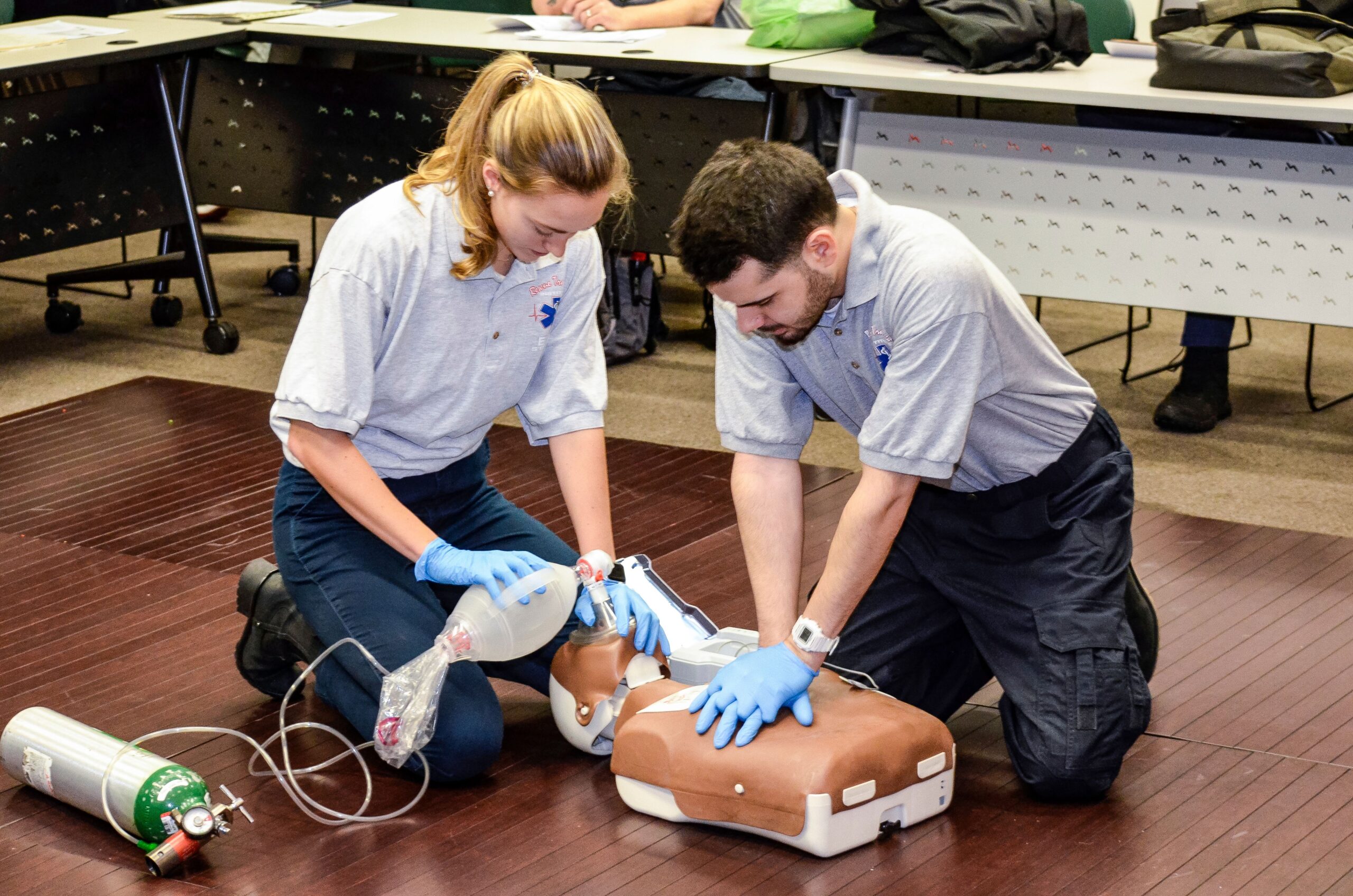
This airway management course teaches emergency personnel to manage breathing difficulties by reviewing the skills and devices like bag-valve masks (BVMs), oral and nasal airways, and supraglottic airways to ensure a patient's airway is clear and open for gas exchange and oxygenation. Students are encouraged to follow up with hands-on practice and simulation, focusing on patient assessment, proper use of adjuncts, and troubleshooting difficult airway scenarios to improve patient outcomes.

OPEN ENROLLMENT - SIGN UP ANYTIME
After students complete this chapter and the related course work, they will understand the different types and causes of shock, the process of perfusion, the signs and symptoms associated with shock, application of the assessment process with the shock patient, and the general and specific emergency medical care provided to patients experiencing shock.

OPEN ENROLLMENT - SIGN UP ANYTIME
Patient Assessment for EMT course teaches foundational skills to accurately evaluate a patient's condition and formulate a treatment plan, covering the five steps: scene size-up, primary assessment (general impression, responsiveness, airway, breathing, circulation), history taking and a secondary assessment (physical exam and vital signs) tailored for medical or trauma patients, and ongoing assessment to track changes. This module is a critical component of EMT training, enabling providers to identify life threats, prioritize interventions, and make informed decisions for patient care and transport.