


OPEN ENROLLMENT - SIGN UP ANYTIME
In this course, you’ll first unpack what emotional intelligence is. Then you’ll learn to boost your emotional intelligence skills by strengthening your personal and social competence.
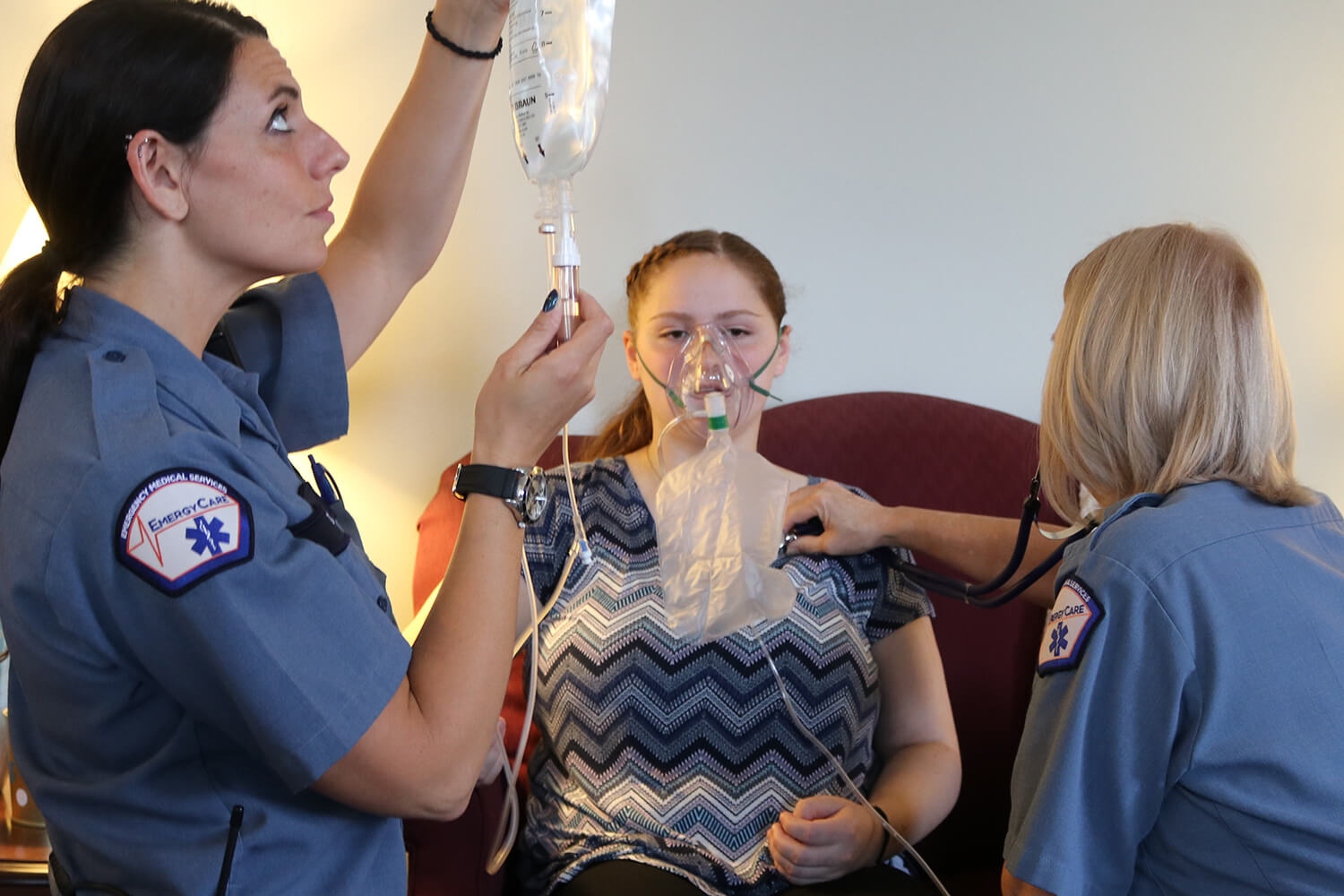
OPEN ENROLLMENT - SIGN UP ANYTIME
The NREMT NCCP AEMT refresher course is a continuing education program designed for certified Advanced Emergency Medical Technicians (AEMTs) to fulfill the National Continued Competency Program (NCCP) requirements for recertification, allowing them to maintain their NREMT certification. This course consists of distributed learning hours that cover national, components, ensuring a comprehensive review of EMT knowledge and skills. After completing the course and meeting the required number of hours, AEMTs receive a certificate to submit for recertification.

COURSE DETAILS: AUGUST 3rd, 2026
COURSE TIMES: 6:00pm to 7:00pm
COURSE LOCATION: 286 Henniker Street Hillsborough, NH - Great Brook Academy Training Center
Human
trafficking remains a serious problem in New Hampshire. Firefighters and EMS
providers are uniquely positioned to encounter victims of both labor and sex
trafficking, given the placement and access afforded to responders during the
course of your official duties. Appropriate training on tactics, techniques and
procedures employed by traffickers, paired with indicators and warnings of
activity, best enables us to identify, potentially rescue and support victims.
This awareness training program was produced by The New Hampshire Information
and Analysis Center (NHIAC), in partnership with the Division of State Police,
The New Hampshire Human Trafficking Collaborative Task Force (NHHTCTF), and
your Regional Public Health Network (RPHN).
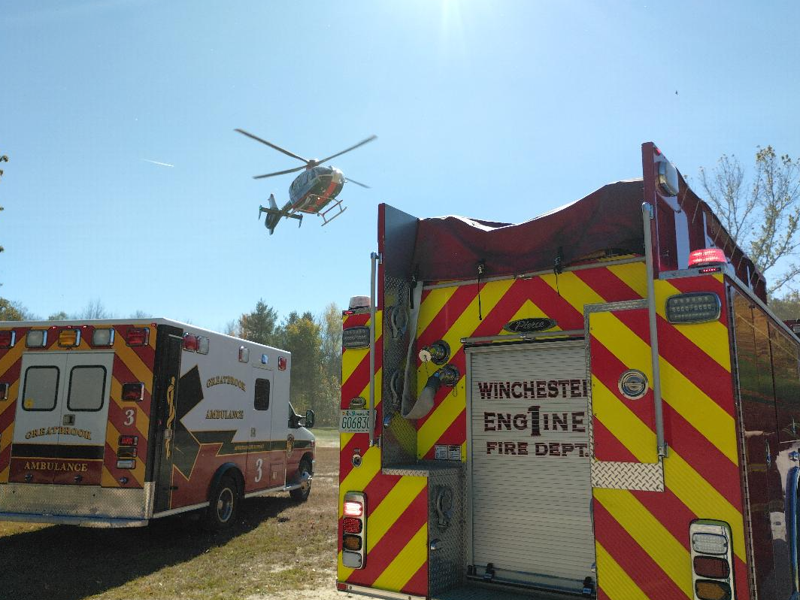
This course is for new Great Brook EMS hires. This course will introduce new employees to our organization, required paperwork, and policies. New employees will have a better understanding of what to expect on their first days with Great Brook EMS. This course will be followed up by our in-person field training program recruit school.

This course is designed to familiarize Great Brook EMS employees with the Tiger Connect Mobile Communications APP that is used to communicate patient information to a receiving hospital.
OPEN ENROLLMENT - SIGN UP ANYTIME
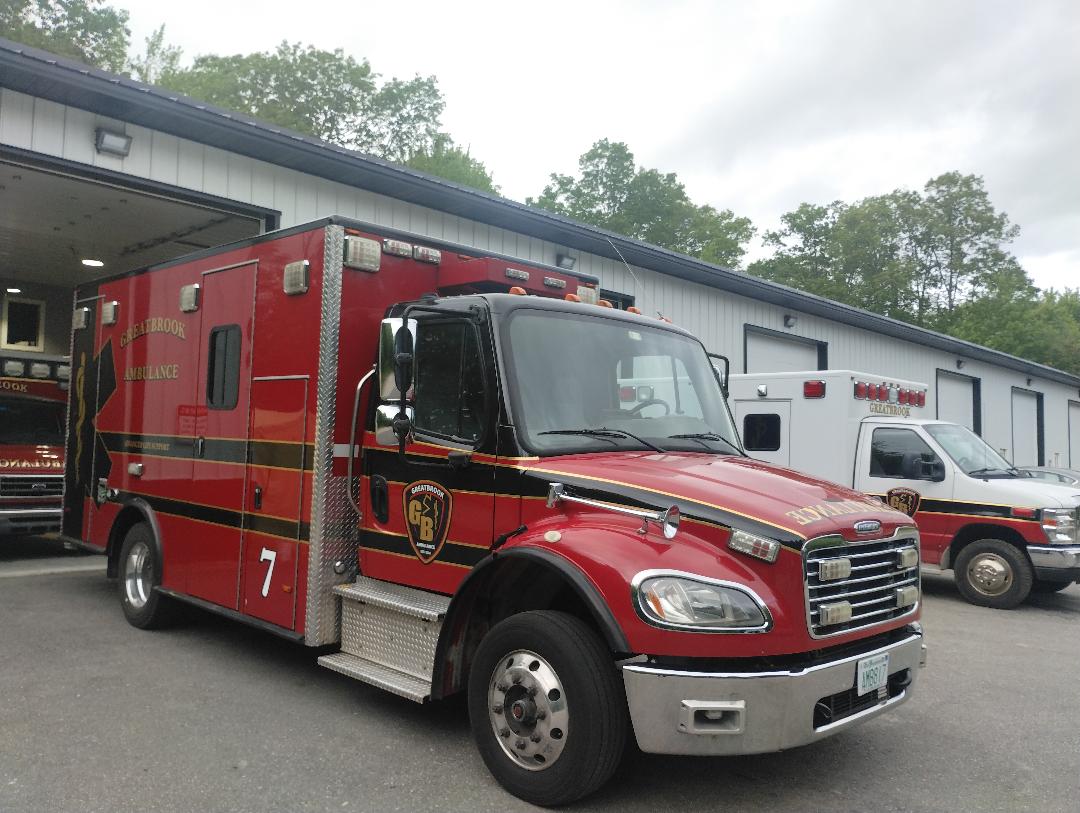
This course is based upon the National Safety Council's Certified Emergency Vehicle Operator (CEVO) course and aims to improve the safety of emergency vehicle operations by equipping drivers with the knowledge and skills to navigate safely in both emergency and non-emergency situations. This includes understanding due regard, analyzing traffic patterns under stress, and reacting to sirens, as well as remaining current with relevant regulations.
OPEN ENROLLMENT - SIGN UP ANYTIME
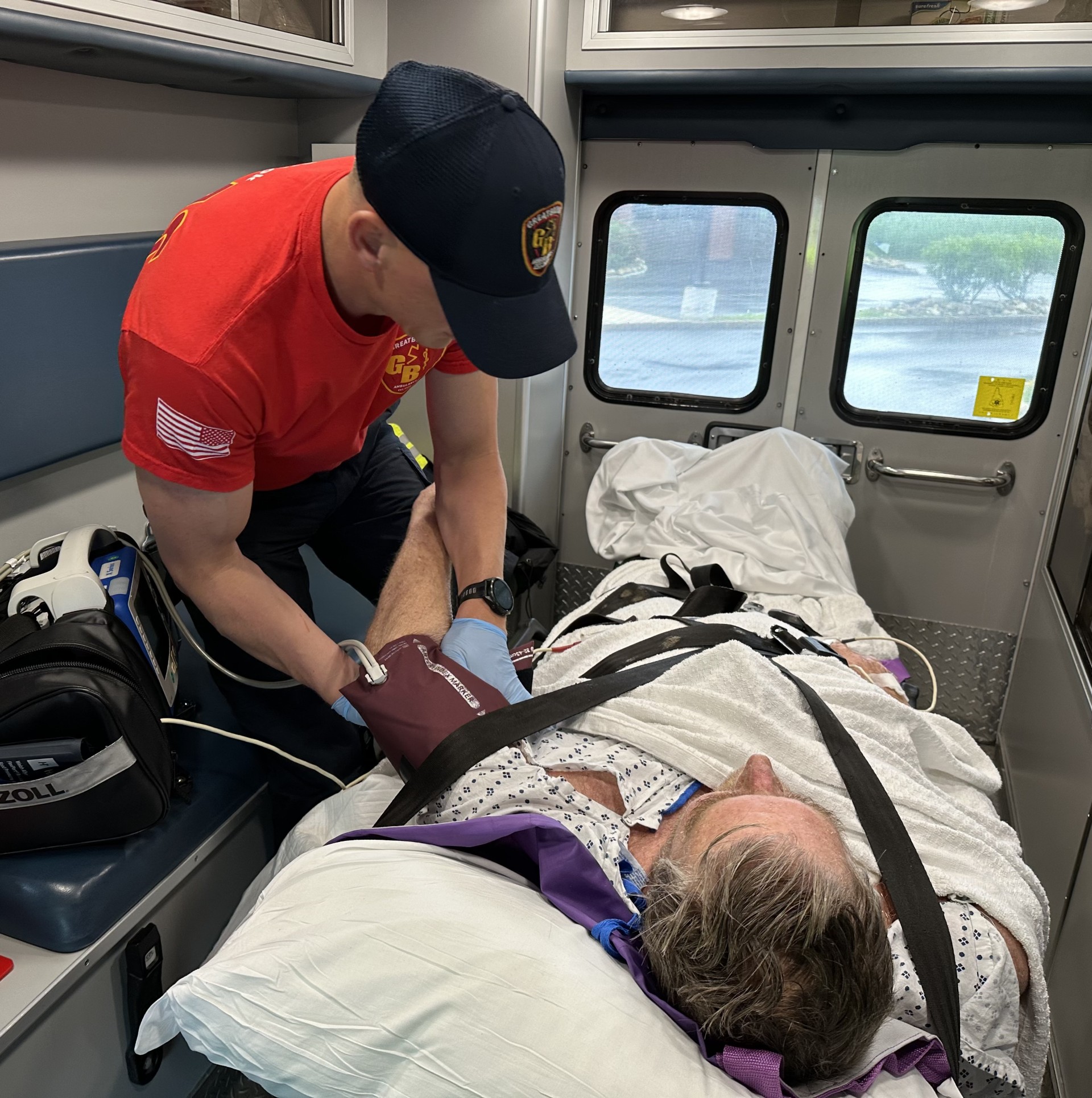
The NREMT NCCP EMT refresher course is a continuing education program designed for certified Emergency Medical Technicians (EMTs) to fulfill the National Continued Competency Program (NCCP) requirements for recertification, allowing them to maintain their NREMT certification. This course consists of distributed learning hours that cover national components, ensuring a comprehensive review of EMT knowledge and skills. After completing the course and meeting the required number of hours, EMTs receive a certificate to submit for recertification.

A Healthcare Provider CPR and AED course, often referred to as Basic Life Support (BLS) for Healthcare Providers, trains professionals to respond to breathing and cardiac emergencies. These courses, updated with the latest ILCOR guidelines, cover CPR techniques for adults, children, and infants, as well as the use of automated external defibrillators (AEDs) and obstructed airway management.